
Eclipse Engineering Blog
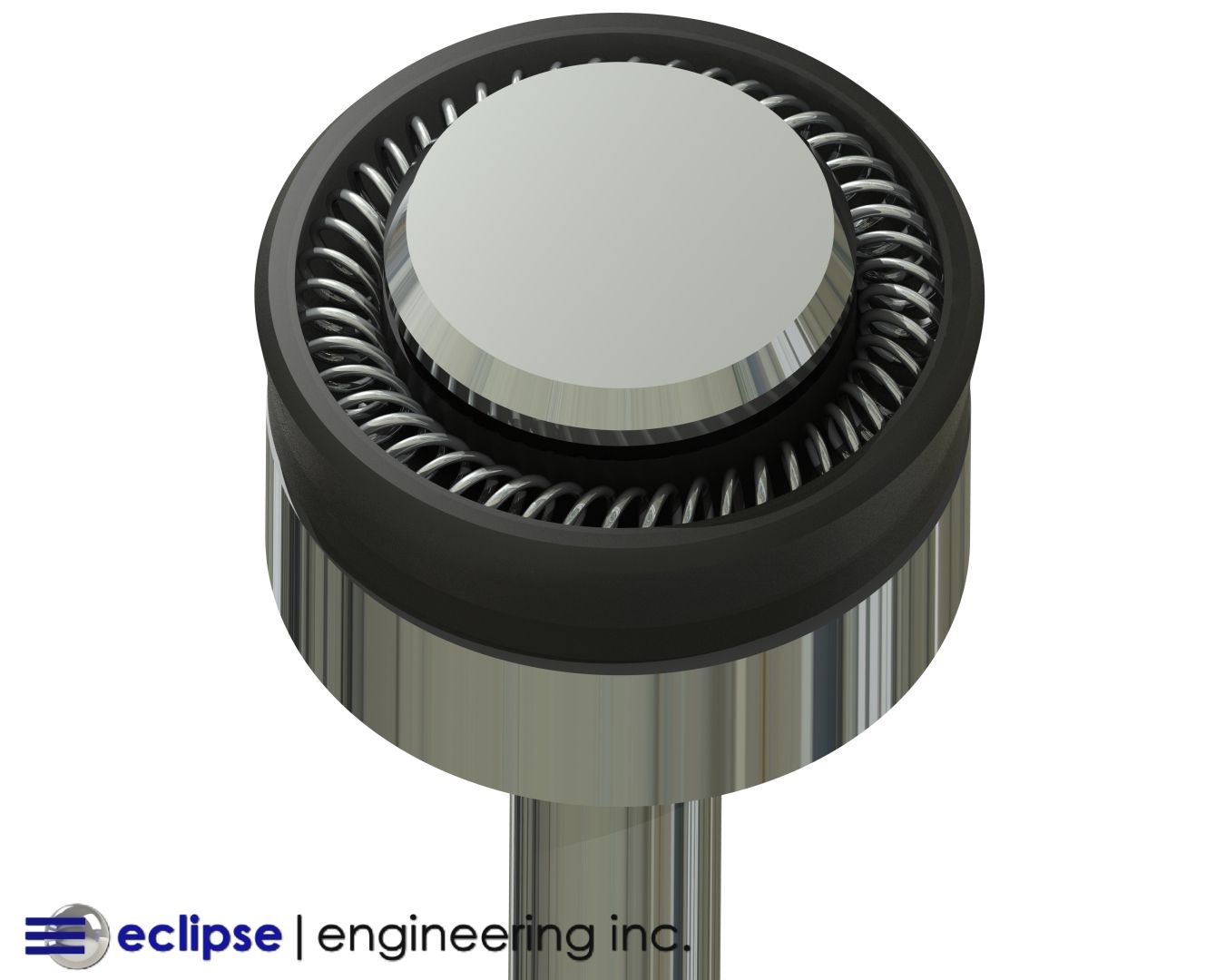
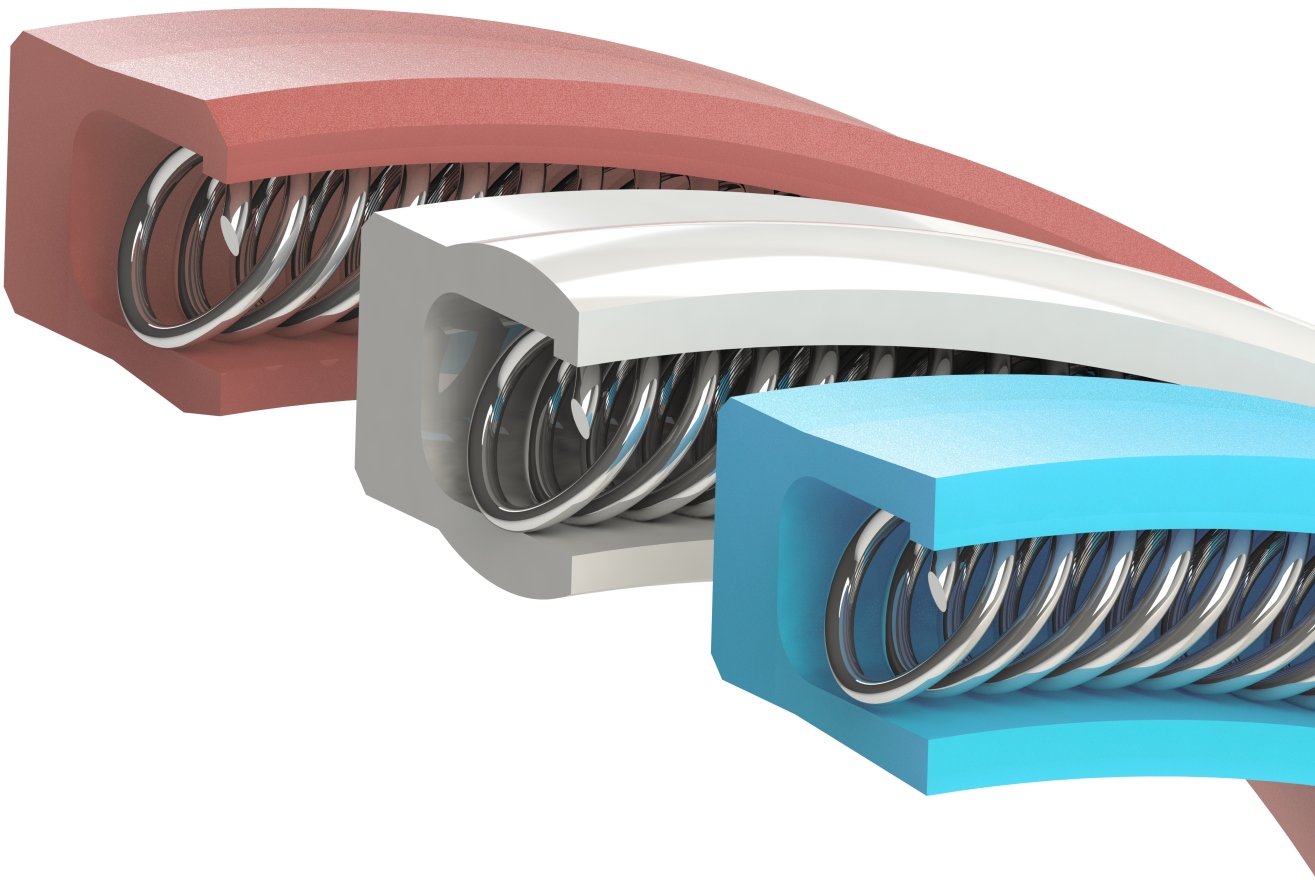
When designing a successful sealing system, factors such as leakage control, wear resistance, and seal material selection often receive the most attention. However, another critical component can have just as much influence on performance: the seal gland. A seal gland, also referred to as a groove, is the space within the hardware that houses and retains a seal. Its design affects not only how the seal functions but also how easily it can be installed, removed, or replaced. Different seal materials and configurations require different gland designs. For example, an elastic O-Ring may be relatively easy to install in a solid gland, while a PTFE spring-energized seal may require a split or stepped configuration to prevent damage during installation. Understanding the different types of seal glands is essential when selecting a sealing solution. Below, we'll explore four common gland designs, their advantages and limitations, and the seals best suited for each. What Are the Four Main Types of Seal Glands? The four common types of seal glands used in rod and piston sealing applications are solid, open, split, and stepped glands. Each offers different benefits depending on the seal material, installation requirements, and hardware configuration. Solid glands feature a simple rectangular groove and are commonly used with O-Rings and certain O-Ring energized PTFE seals. Open glands allow seals to be installed directly into a counterbore and are typically best suited for metal-cased seals, including rotary lip seals and cased spring energized seals. Split glands use a removable retaining component to simplify seal installation, removal, and maintenance. They are particularly useful for spring energized seals and applications requiring frequent seal replacement. Stepped glands incorporate a small retaining step that secures the seal without additional hardware. They are often used in spring energized sealing applications where a one-piece hardware design is preferred. Choosing between these designs involves balancing installation requirements, manufacturing complexity, and long-term seal performance. Solid Glands
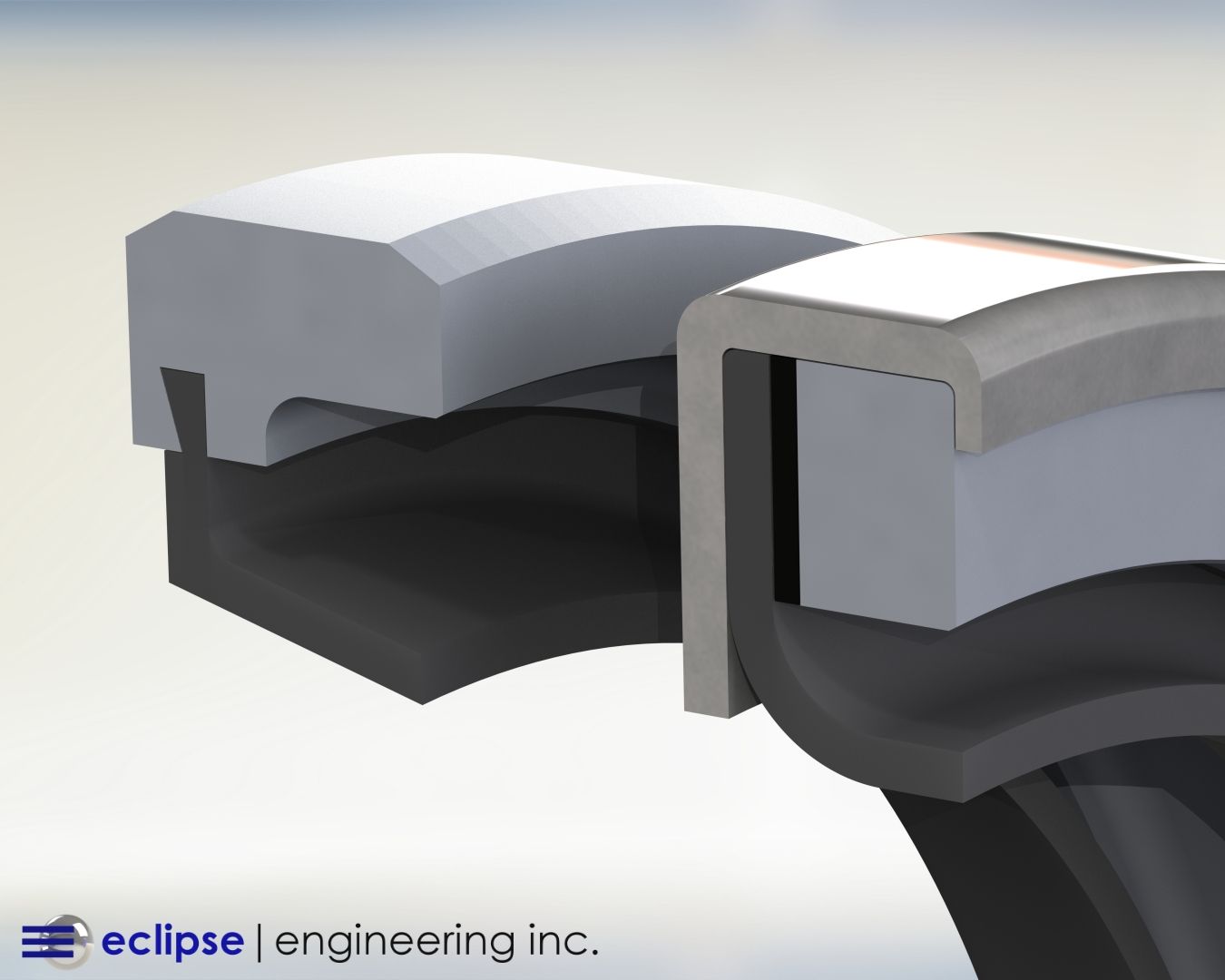
Compare Crimped Case Seals and traditional componentized rotary lip seals, including their advantages, limitations, costs, and ideal applications.
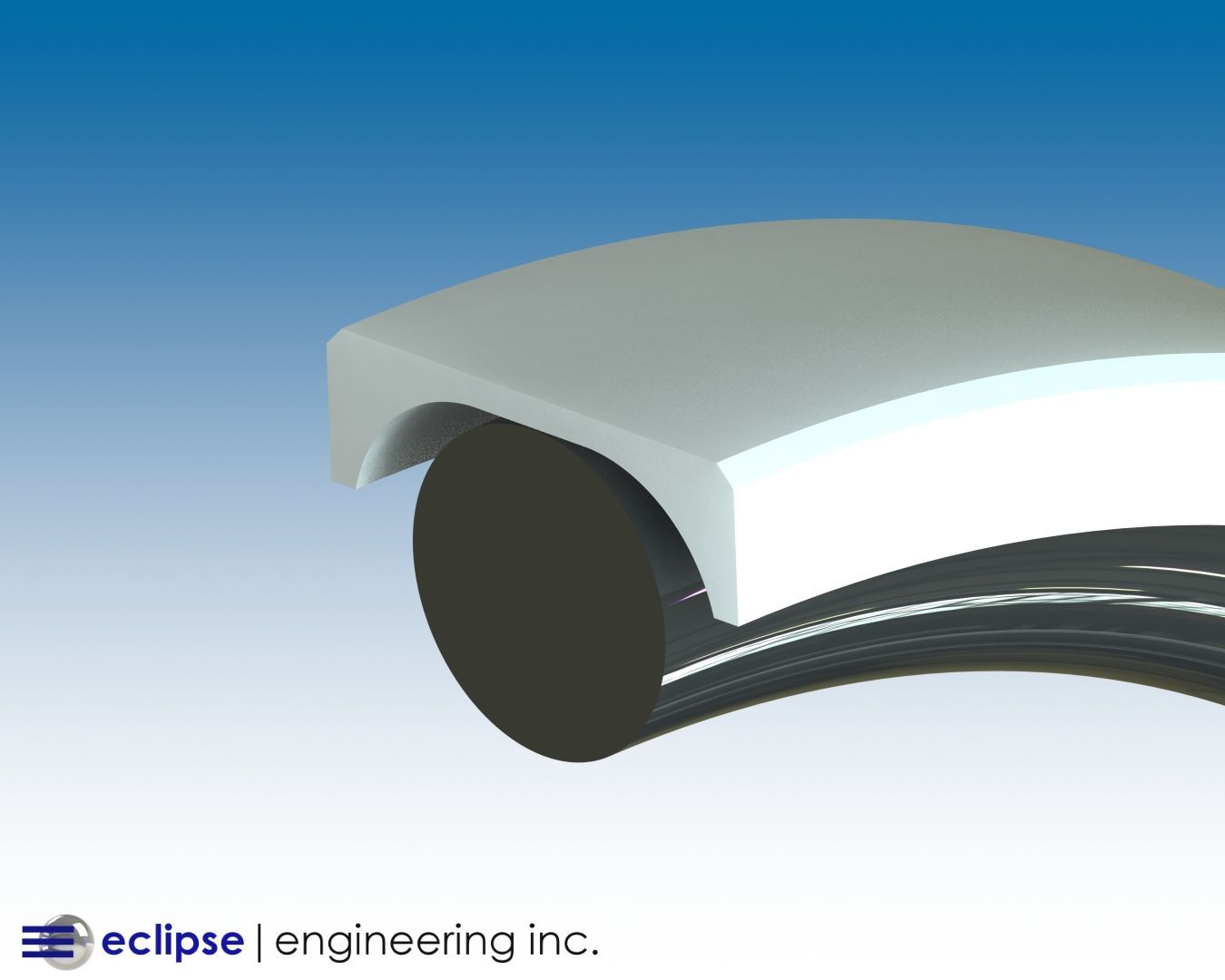
Learn the advantages and limitations of Channel Seals, including friction, wear life, PTFE performance, machining requirements, and dynamic sealing considerations.
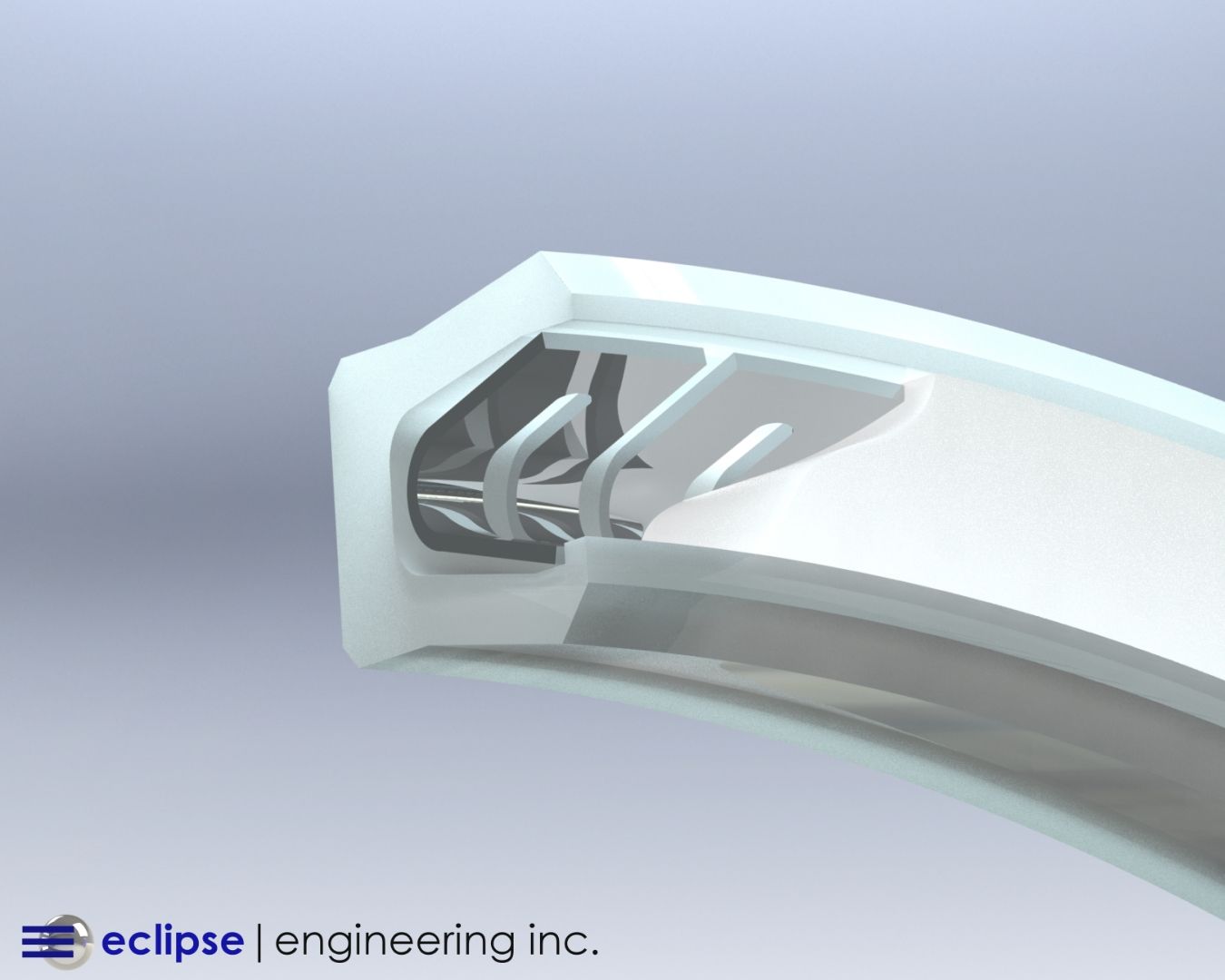
Learn how Clean-in-Place (CIP) seals improve sanitation, reduce downtime, and support FDA-compliant sealing applications in food, pharmaceutical, and industrial equipment.
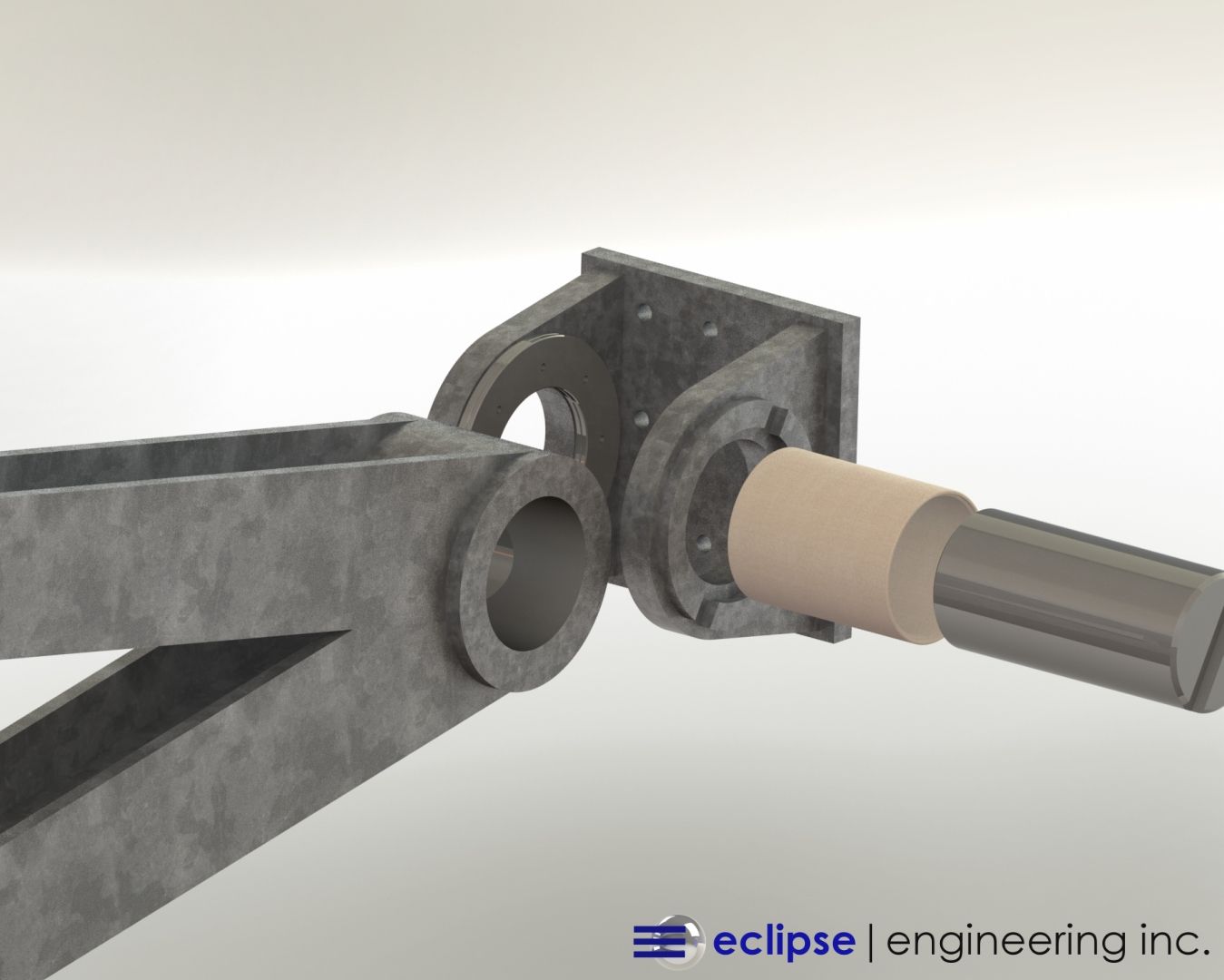
Explore the best materials and applications for wear rings and bearings, including PTFE, nylon, and composites for industrial performance.
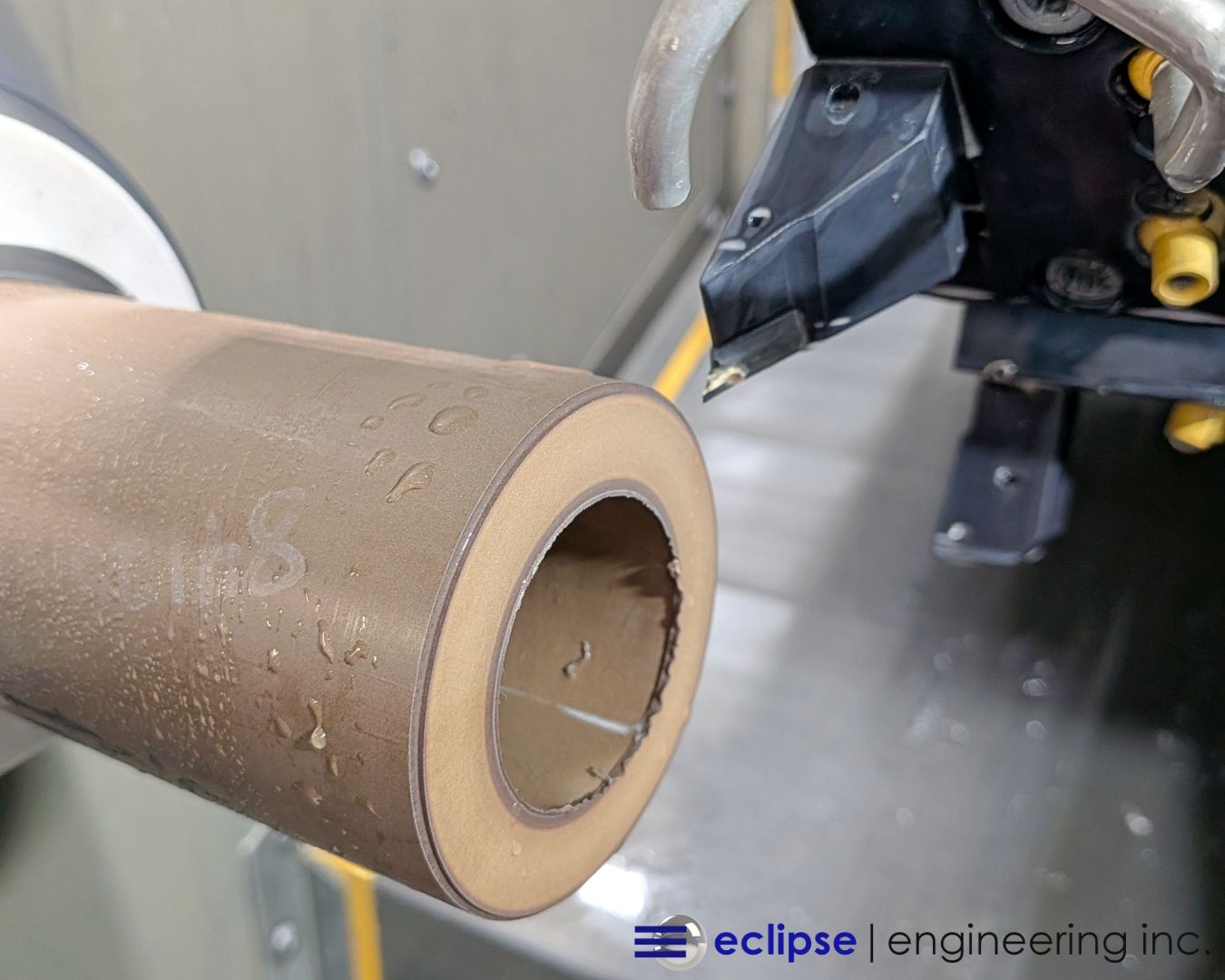
Learn how process capability (Cpk), tolerances, and material behavior impact plastic parts and seal design for reliable performance.
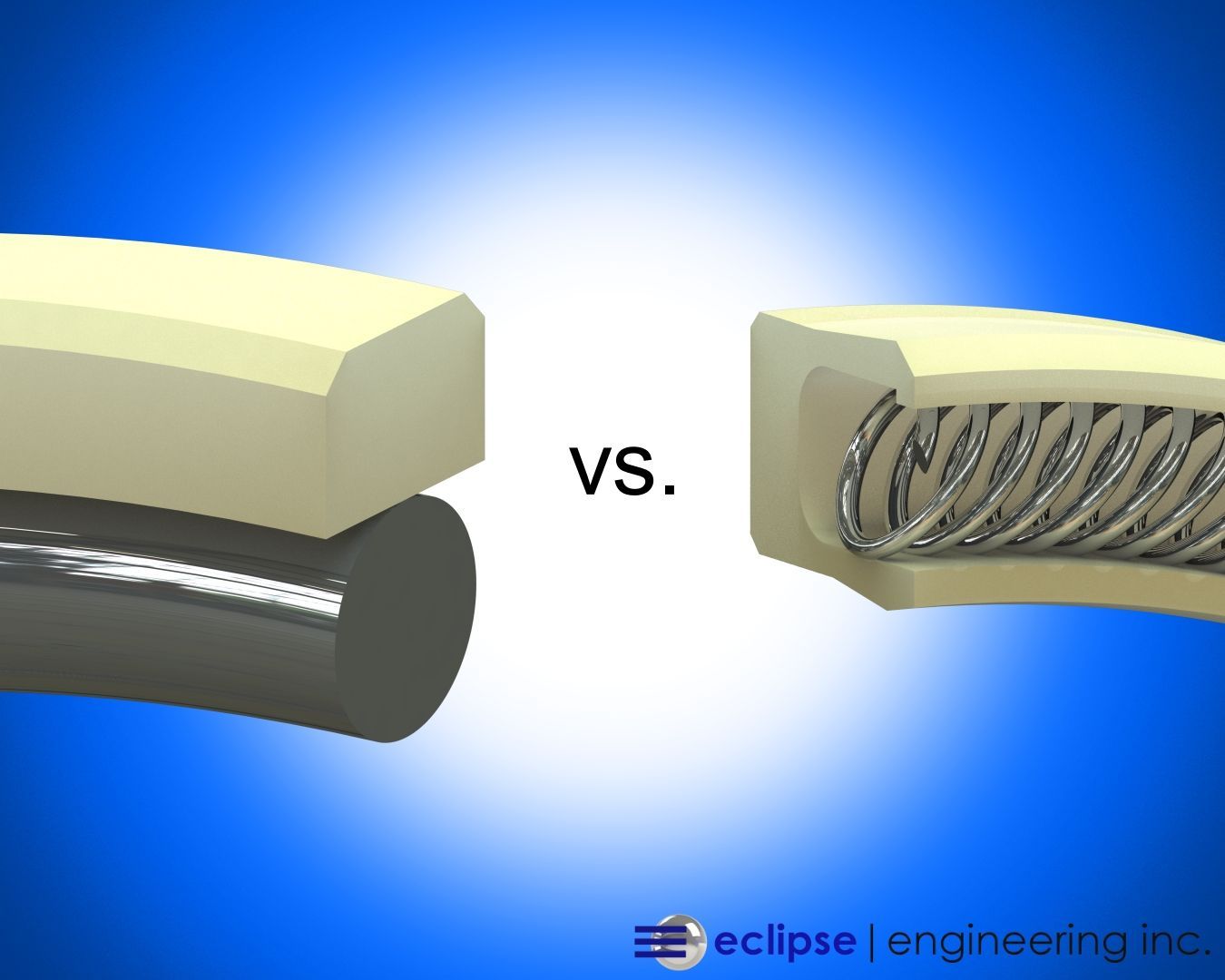
Compare O-ring and spring energized PTFE seals, including temperature limits, friction, cost, and performance, to choose the right solution for your application.
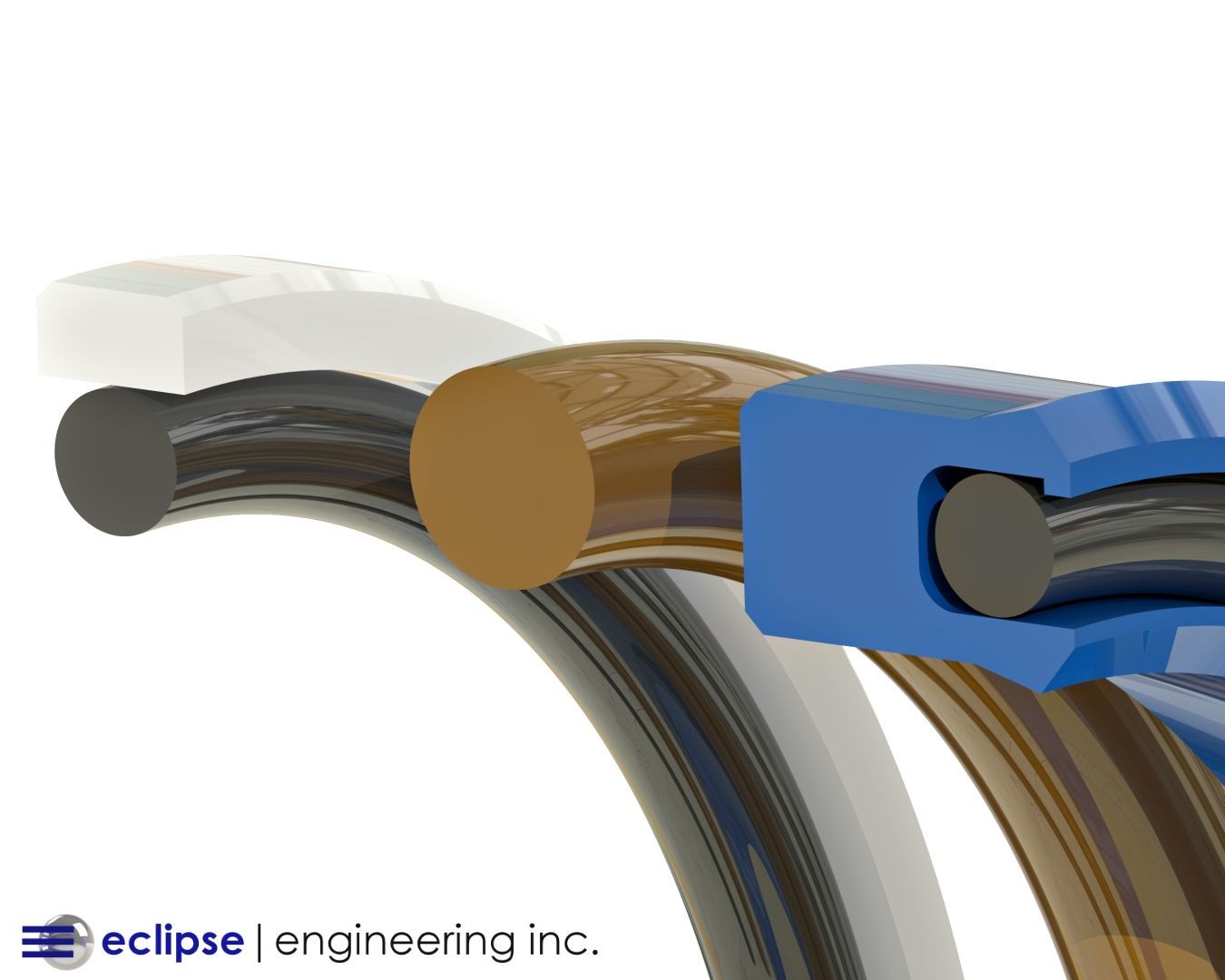
Compare seal material temperature ranges from NBR to PTFE, including elastomers and polymers, to select the right seal for extreme conditions.
Learn best practices for seal installation, tooling, and handling PTFE, O-rings, and polymer seals to improve performance and prevent premature failure.

Explore the benefits and drawbacks of UHMW for seals and wear components. Learn when UHMW outperforms PTFE and how to choose the right material for your application.
Explore how buffer ring design evolved through innovation in materials, engineering, and performance — and how Eclipse Engineering leads in custom sealing solutions.
Explore the history and evolution of buffer rings in hydraulic systems. Learn how PTFE revolutionized seal design, performance, and reliability.
"We started Eclipse with the premise that if we could solve enough of our customers problems they would continue to come back to us for solutions regardless of the type of products we offered."

What Can We Help You With?
Start a project request form and give us the specifics of your project. Our team will review and be in touch with you shortly!
