Silicone Filled Spring Energized Seals

Cliff • September 17, 2012

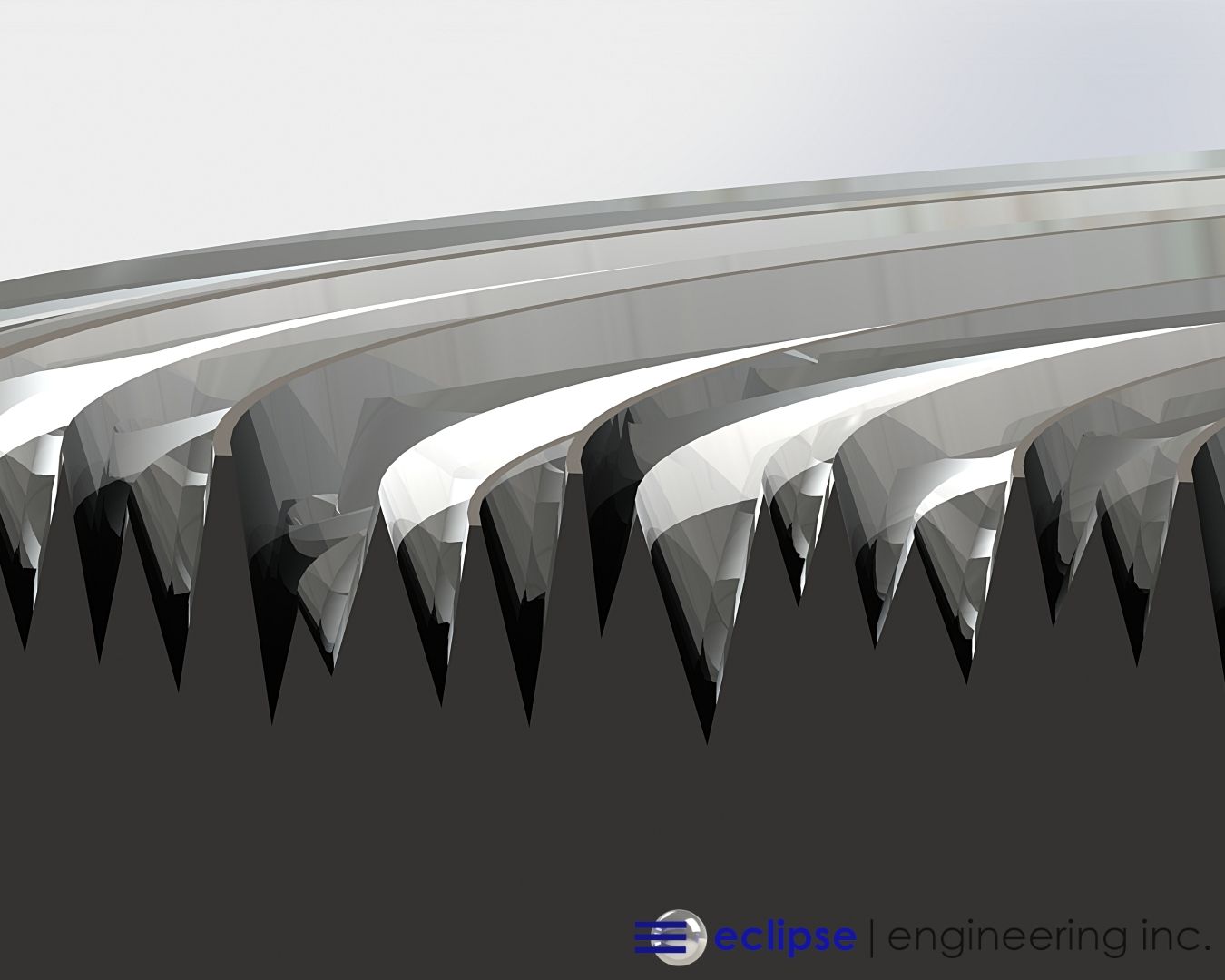
Filling a spring cavity with Silicone allows our customers to use a spring energized seal in environments where the media in the application does not come in contact with a metal spring.

There are many reasons to apply these this solution for various applications

1. Food Grade where we use an FDA Approved Silicone to cover the spring, and use a jacket material which is also FDA approved

2. When we are sealing a media that would hamper the ability of the spring to continue to be energized in the media. Media like an adhesive that will stop the spring from being active.

3. Filling a groove with Silicone where your goal is to have the least amount of fluid displacement for accurate positioning of  a mechanical device.


There are several different types of Silicones depending on the usage. They can be for food grade use, high temperature, or by changing the viscosity they can act as a spring adding to the force of the existing spring.
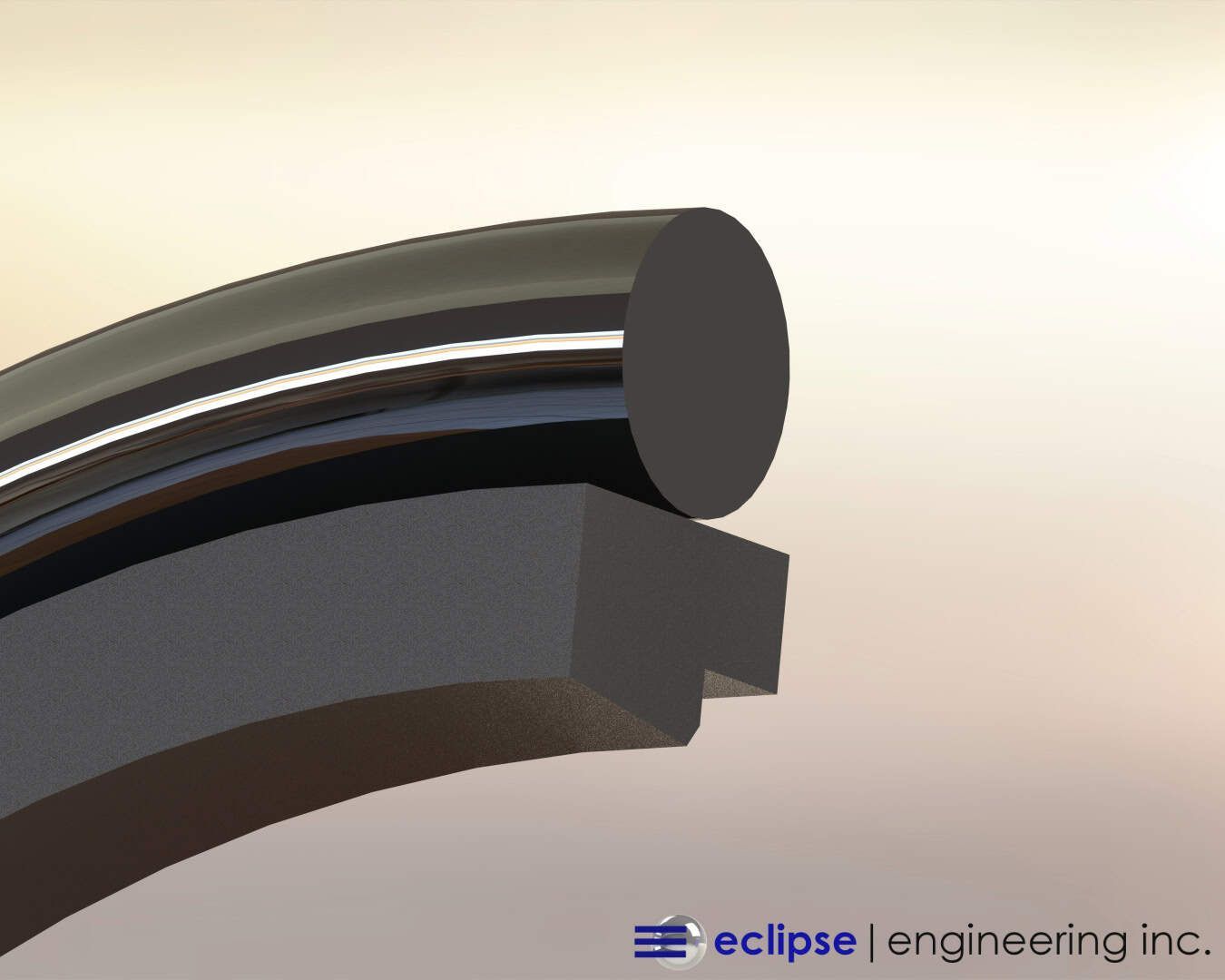
3D rendering of a black rubber quad-ring seal with a round top and grooved base, shown in cross-sect
By Doug Montgomery December 14, 2025
Explore how buffer ring design evolved through innovation in materials, engineering, and performance — and how Eclipse Engineering leads in custom sealing solutions.
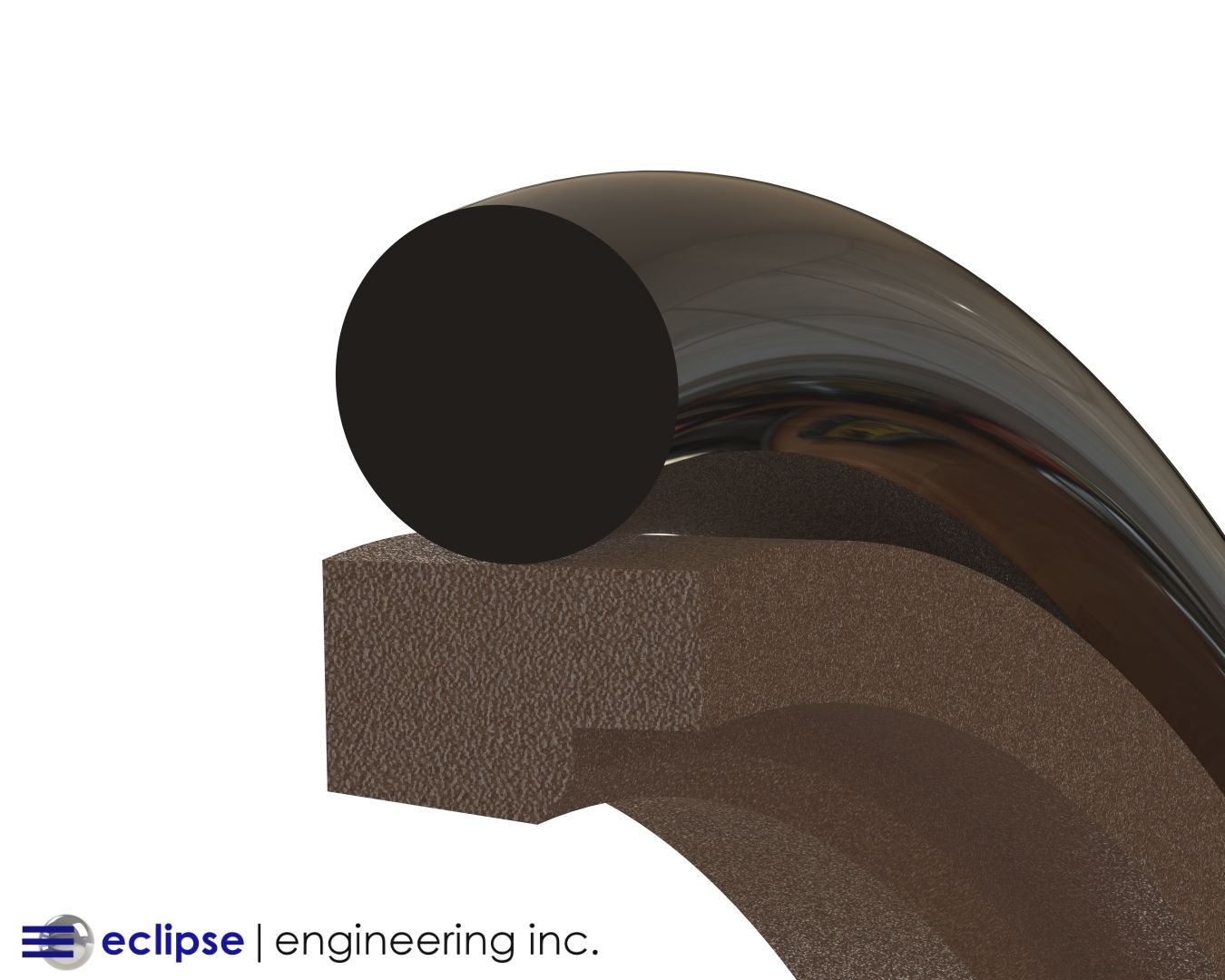
Cross-sectional rendering of a hydraulic or pneumatic seal assembly showing a black O-ring seated on
By Doug Montgomery November 16, 2025
Explore the history and evolution of buffer rings in hydraulic systems. Learn how PTFE revolutionized seal design, performance, and reliability.
By Doug Montgomery September 26, 2025
Discover why surface finish is critical to polymer seal performance. Learn best practices, treatments, and cost–benefit insights for reliable sealing.
Close-up photo of two white O-rings placed on a white background.
By Doug Montgomery September 23, 2025
Learn about PTFE’s advantages and disadvantages, including its properties, performance limits, and when PTFE O-rings are the best sealing solution.